
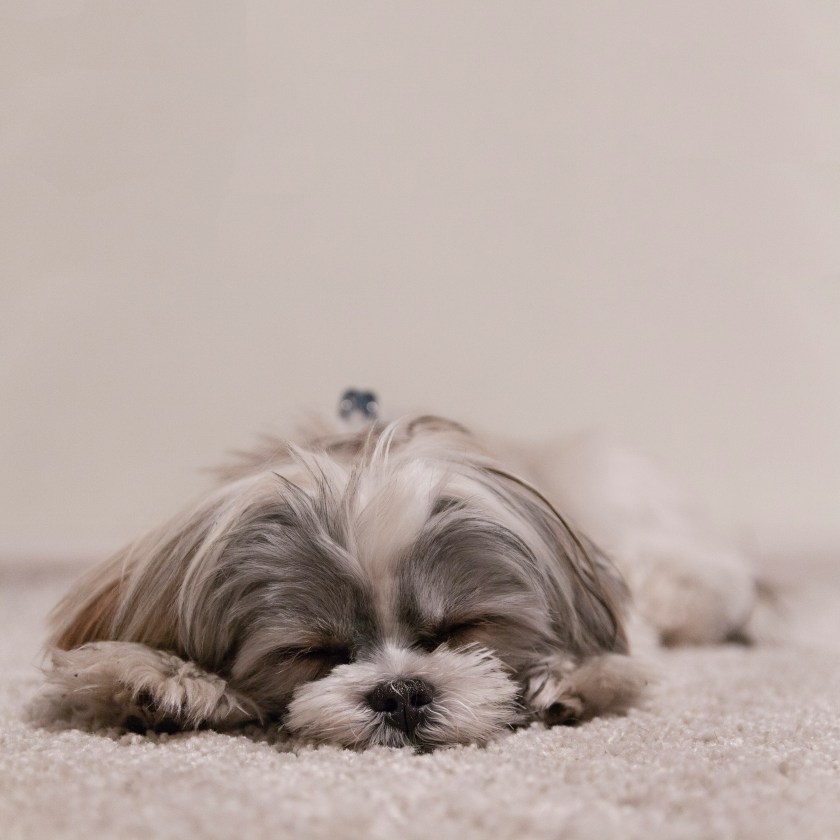
Compared to many other members of the animal kingdom, we humans are slugabeds. If we’re not in dreamland at least one-third of every day, our performance becomes substandard and we tend to be inattentive, inefficient and irritable.
We are more wakeful than our loyal dogs who are unconscious half the time and active less than five hours each day. “Active” for many dogs includes eating, begging, searching for a place to lie down and barking at the cat next door. Still, we’re grateful for the less than five hours of Rover’s daily companionship.
Consider the majestic horse that once carried Alexander’s army, drew the chariots of the Roman legions, charged with the Light Brigade and pulled our ancestors’ plows, covered wagons, stagecoaches and early street cars.
This faithful animal is the current star of horse shows, rodeos and the Sport of Kings and still settles for a daily bag of oats, a clean stall and a mere two and a half hours of short naps, standing all the while. We should be more grateful.
One would think that cows, who ruminate all day in green meadows, would be great sleepers, but no. They lie down a lot but they are not long term snoozers. Bossie sleeps less than four hours a day even though she’s full of soporific warm milk.
Our largest land animal, the elephant, at over seven tons, is so busy finding food, sleeps only two hours in twenty-four. Birds must half-sleep with part of their brains always awake and alert. The same goes for whales who must be awake enough to come up for air to avoid drowning.
Bears take long winter naps, five months for grizzlies who eat voraciously in the fall to create enough body fat to last during the long sleep. They would do better with fridges and freezers to raid on cold nights like we do. But if a famished bear called up Domino’s for a half dozen pizzas, who would want to make the delivery?
Cats and mice both sleep 12 hours a day. If I were a mouse, I’d find out which 12 hours the cat sleeps and make my plans accordingly.
 Imagine That